Running a fridge on a solar generator, sized honestly
We may earn a commission if you buy or book through the links on this page. How we make money
Yes, a solar generator can run a refrigerator, and a fridge is one of the loads these units suit best. The size you need comes down to two numbers, both of which belong to your fridge rather than to any chart: the running watts on its nameplate, and the startup surge its compressor pulls when it kicks in.
The battery capacity answers how long. The inverter rating answers whether it starts at all. Running a refrigerator on solar power is a sizing problem before it is a shopping problem.
The reason a fridge is a friendlier load than its wattage suggests is that a compressor cycles. It runs, reaches temperature, stops, and waits. It does not draw its running watts for twenty four hours, which is the single most common mistake in sizing for one. Work out your own numbers in our what size solar generator do I need calculator, or read the arithmetic below first.
Shopping for a solar generator for refrigerator backup: the two numbers
Both live on the appliance. There is a nameplate sticker inside the door, on the back or under the kick plate, and the same figures are repeated in the manual. If it gives volts and amps instead of watts, multiply them together. A plug-in energy meter is better still, because it records what the fridge really consumed over a day rather than what it is rated to draw at maximum.
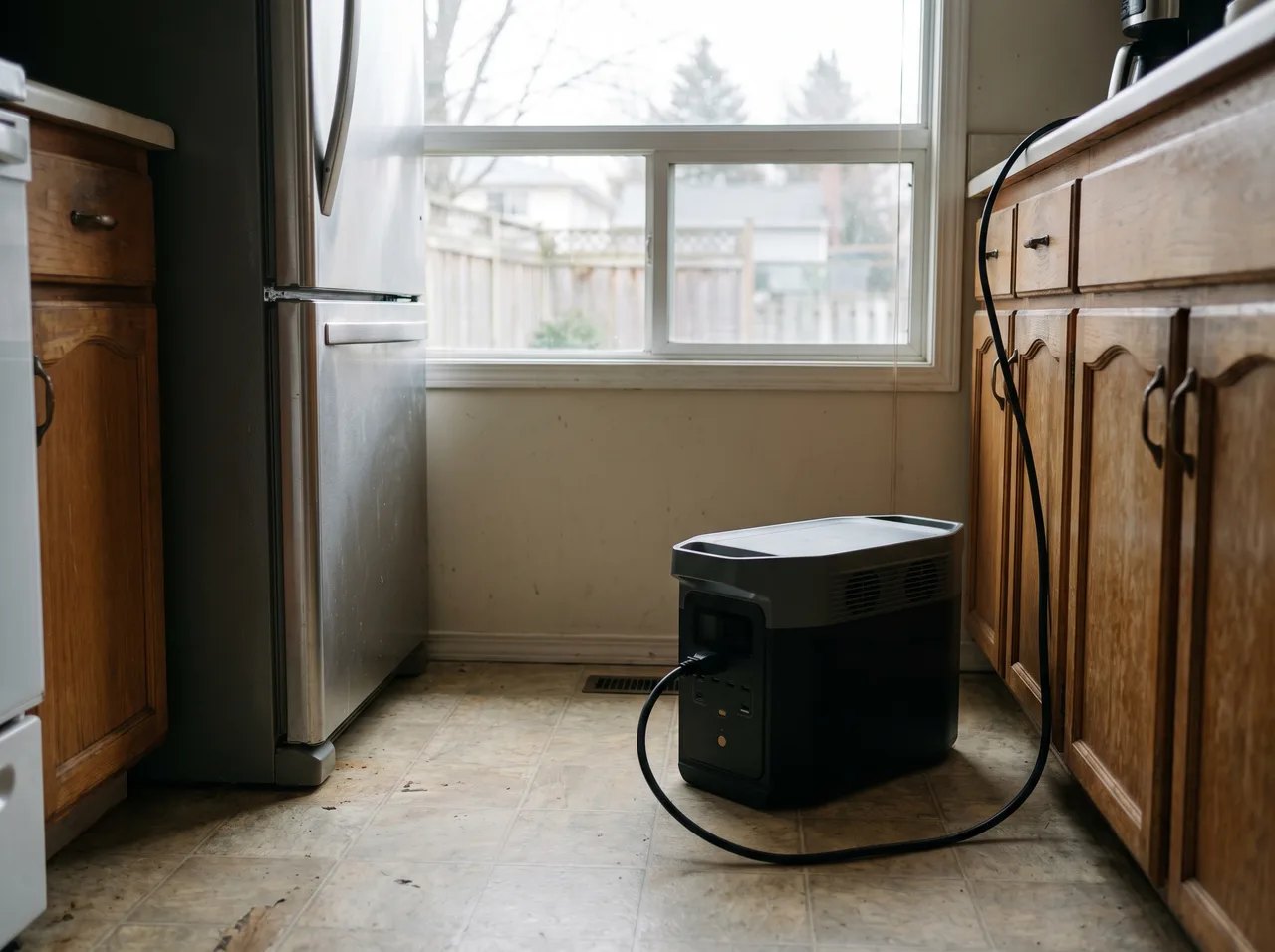
- Running watts are what the compressor pulls while it is actually running. This feeds the capacity sum.
- Startup surge is the brief spike as the compressor motor starts. It is substantially higher than the running figure, it lasts a moment, and it is what trips undersized inverters. Manufacturers do not always print it, which is exactly why headroom matters.
We deliberately publish no table of typical fridge wattages here. Two refrigerators of the same size can draw very different power depending on age, insulation and compressor design, and the obvious public source for generic figures, the US Department of Energy's Energy Saver appliance calculator, was unreachable when we checked on August 1, 2026. A number we cannot source is a number we will not print.
The arithmetic, with our worked example
The sum is watts times hours, where hours means the hours the compressor runs, not the hours the fridge is plugged in. Take the one worked example this site already publishes in our Grid Doctor 3300 review: a full-size residential refrigerator averaging 150W. Against the 2,048Wh capacity we cover, that is estimated at roughly 12 to 18 hours of fridge duty.
That spread of six hours is not sloppiness, it is the cycling. Compressors run more in a hot garage, more when the door opens often, more when the unit is full of warm groceries, and less overnight in a cool room.
Anyone quoting you a single confident number for a fridge is quoting an average and calling it a measurement. Plan against the short end of the range and you will not be caught out.
| Capacity | Usable at 85 percent | A 150W-average fridge, roughly |
|---|---|---|
| 320Wh (Grid Doctor 300) | 272Wh | Not a residential fridge unit. Small 12V loads, lights, a router, a CPAP. |
| 2,048Wh (Grid Doctor 3300) | 1,740Wh | About 12 to 18 hours, cycling dependent |
| 16,384Wh (3300 Power Tower) | 13,926Wh | Days rather than hours on the same duty |
The usable column is the rated capacity minus inverter losses, which we take at the conservative end of the 10 to 15 percent band we use across this site. These are capacity estimates, not lab measurements, and they assume the fridge is the only thing drawing.
Why the surge rating decides more than the capacity
A compressor is an inductive load. At the instant it starts it demands far more current than it settles into, and an inverter that cannot supply that instant simply shuts off. This is the failure people describe as "it worked for a minute and then stopped": the battery had plenty left, the inverter did not have the headroom.
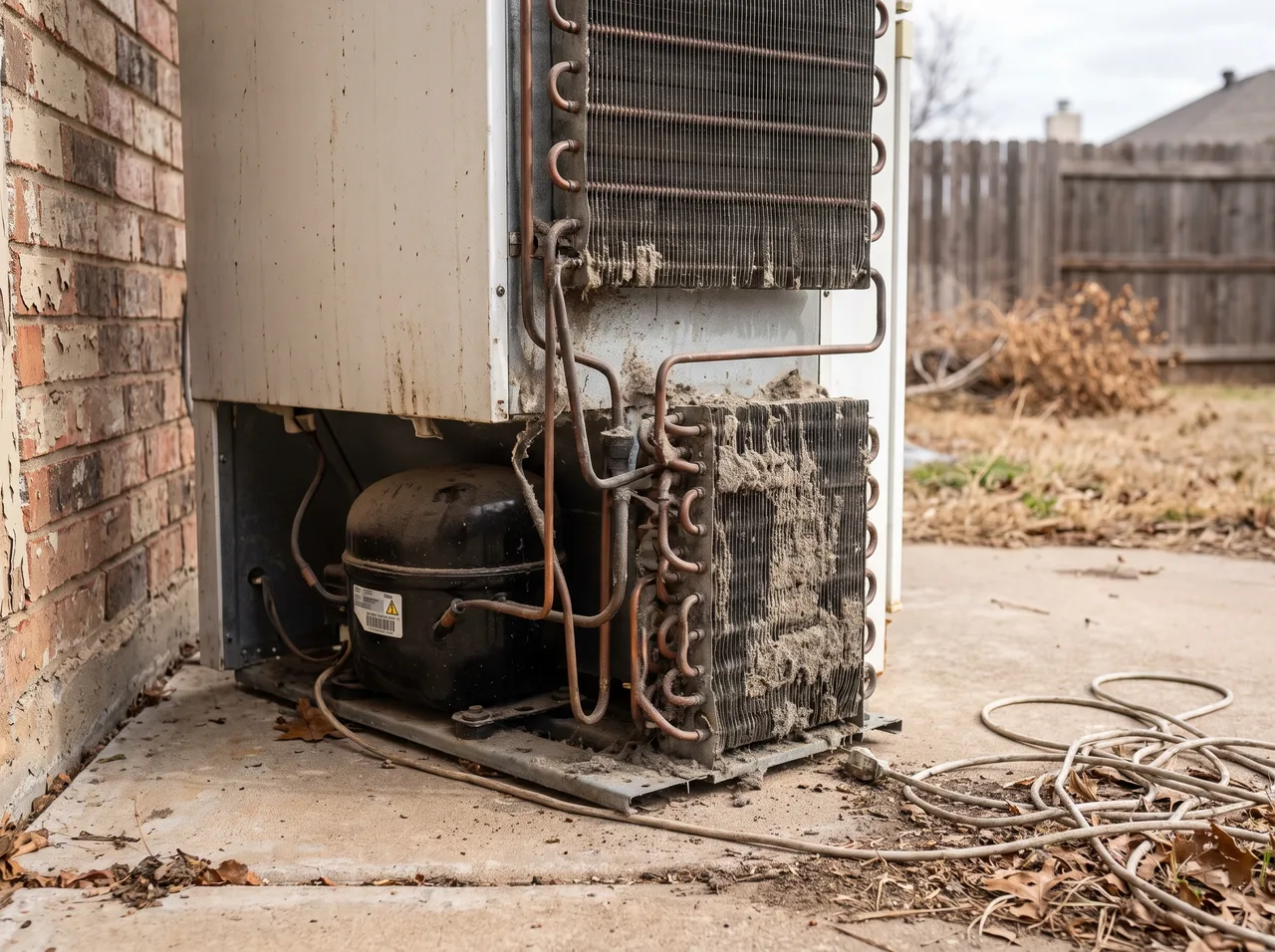
The units we cover are unusually strong on this specific point. The Grid Doctor 3300 pairs a 2kWh-class battery with a 3,300W continuous, 6,600W surge pure sine inverter, which is a large inverter for that battery size, and is why startup spikes from fridges, furnace blowers and pumps are within its scope.
Our power station vs generator comparison covers what happens when the load is bigger than any battery unit sensibly handles.
Residential fridge or 12V fridge
These are different problems and the right answer depends on what you are planning for.
- Home outage backup: size for the residential fridge already in your kitchen. It is the appliance you need to keep cold, so its label is the only relevant one.
- RV, van or off-grid living: if you are shopping for a solar generator for fridge duty in a rig, a 12V compressor fridge is generally the better tool, because it runs from battery power directly and skips the conversion losses you pay running an AC appliance through an inverter. If you are building the system from scratch, this choice saves you capacity before you buy any.
Either way the method is identical: read the label of the fridge you actually own, use the cycling hours rather than 24, and leave headroom.
Three ways people get this wrong
- Multiplying running watts by 24. This is the big one. It inflates the requirement dramatically and pushes people toward capacity they do not need, because compressors cycle.
- Sizing on capacity alone. A large battery behind a small inverter still refuses to start the compressor. Check both numbers, every time.
- Treating solar as a guarantee. Panels give a daily allowance that depends on sun, season and weather. Size the battery for the worst realistic day and let sunshine extend it, not the other way around.
Work out your own number
Put your fridge's nameplate figure into our sizing calculator along with anything else you plan to run, and it will total the watt hours and flag your biggest single load against the inverter rating. If you are still weighing whether the category earns its price, our are solar generators worth it guide is the honest version, and the current picks and prices live on the solar generator hub.
See the Grid Doctor 3300 at My Patriot Supply
Common questions
Can a solar generator run a refrigerator?
Yes, and a fridge is one of the loads these units suit best, because a compressor cycles on and off rather than drawing power constantly. Two numbers decide it. The inverter has to survive the compressor startup surge, which is far higher than the running draw, and the battery has to hold enough watt hours to cover a day of that cycling.
A unit that passes only one of those two tests will fail you.
What size solar generator do I need to run a refrigerator?
Start from the nameplate on your own fridge, not from a generic chart. Take the running watts, estimate the hours the compressor actually runs in a day rather than 24, and multiply. Then check that the unit's continuous output rating comfortably clears the running watts, and that its surge rating has headroom for startup. Our sizing calculator does both sums once you have the label figure.
How long will a solar generator run a fridge?
It depends on the capacity you buy and how hard the fridge works. On the 2,048Wh capacity we cover, a full-size residential refrigerator averaging 150W is estimated to run roughly 12 to 18 hours, a spread that exists because compressors cycle with ambient heat and how often the door opens. That is capacity arithmetic rather than a laboratory measurement, and a hot garage will land you at the short end.
Is a 12V fridge better than a residential one for off-grid use?
For living off-grid in an RV or van, usually yes. A 12V compressor fridge is built to run from a battery and avoids the inverter losses you pay when converting stored DC to household AC. A residential fridge is the right target when you are planning outage backup at home, because that is the appliance already in your kitchen. Size whichever one you actually own, using its own label.
Will solar panels keep the fridge running indefinitely?
Only if the panels replace what the fridge takes each day, which depends on your panel wattage, your latitude, the season and the weather. Treat solar as a daily allowance rather than a guarantee. The honest planning question is whether a cloudy stretch would leave you short, and the safe answer is to size the battery for the worst realistic day and treat sunshine as the thing that extends it.