Are solar generators worth it? When they pay off, and when they don't
A solar generator is worth it when you value silent, fuel-free power you can run indoors: RV and camping trips, backup for home essentials, and off-grid work. It is not worth it when you need days of heavy sustained output, where a gas generator still wins.
The question that decides it: do you need convenient energy or raw sustained power? A solar generator is a big battery with an inverter and a solar input. For fridges, lights, laptops, fans and CPAP machines it is cleaner, quieter and cheaper to run than gas. For a whole-house load or a week of cloudy-sky construction work, it is the wrong tool. How we reach these calls: our method.
What a solar generator actually is
Despite the name, a solar generator does not generate anything by itself. It is a battery power station: lithium cells, an inverter that turns stored DC into household AC, and a charge controller that accepts solar panels. "Solar" describes how you can refill it.
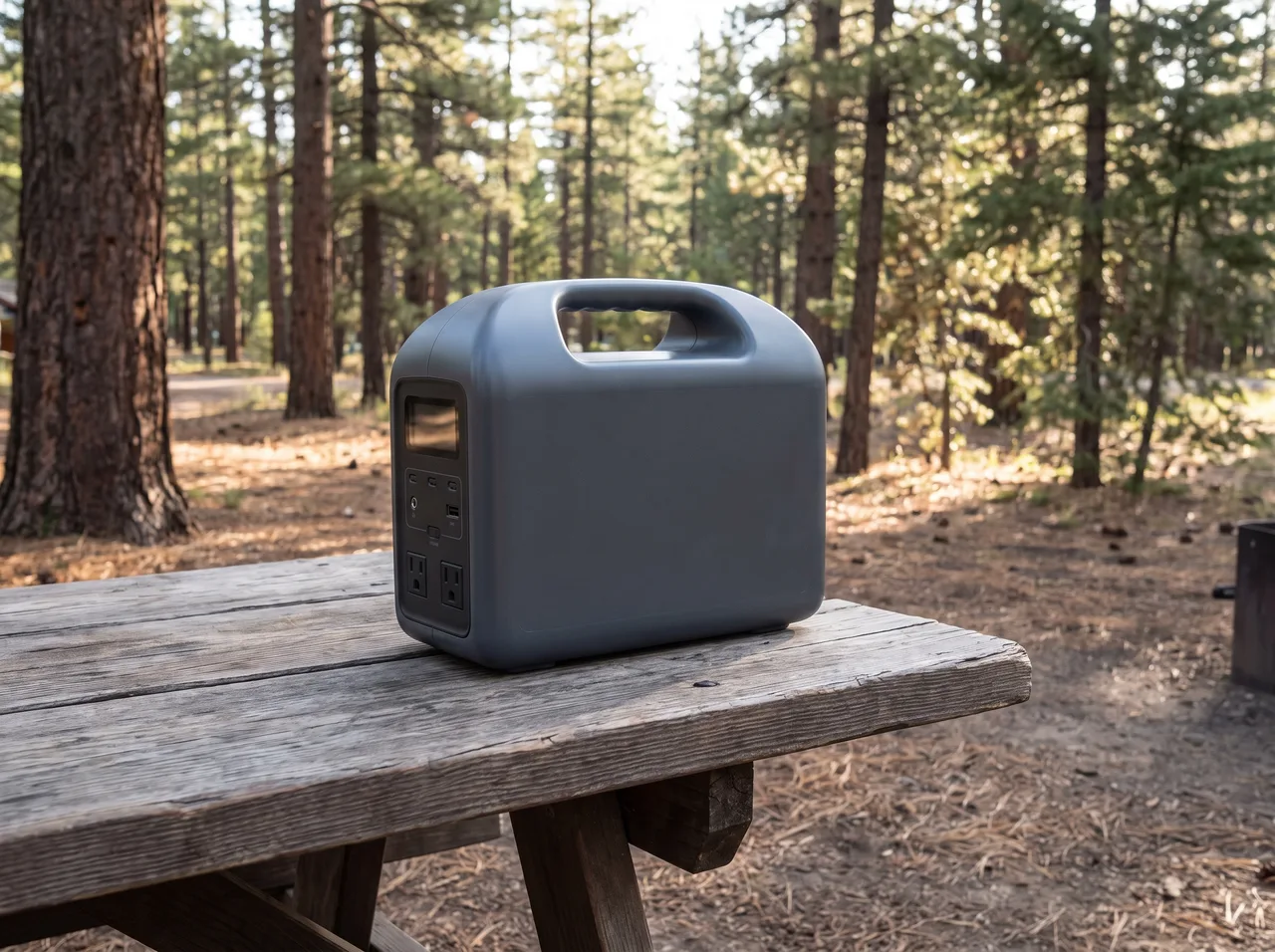
That framing matters, because you are really buying three numbers: capacity in watt hours (how much energy it stores), continuous inverter output in watts (how big a load it can run), and solar input in watts (how fast the sun refills it).
Our power station vs gas generator guide breaks down how those numbers compare with a fuel engine, and what is a solar generator takes the machine apart properly: what is inside the box, how the charge controller, battery and inverter hand energy along, and what the thing is not.
So what you are paying for is energy storage, and that is the honest way to judge the price. A LiFePO4 pack rated for thousands of cycles is worth more than a cheaper chemistry that fades in a few hundred, because the cost that matters is cost per usable cycle rather than the sticker.
The inverter number decides the other half: high-draw items such as power tools, a kettle or an induction burner are limited by continuous output, not by capacity, and a unit that stores plenty can still refuse to start the one tool you bought it for.
When one is worth it
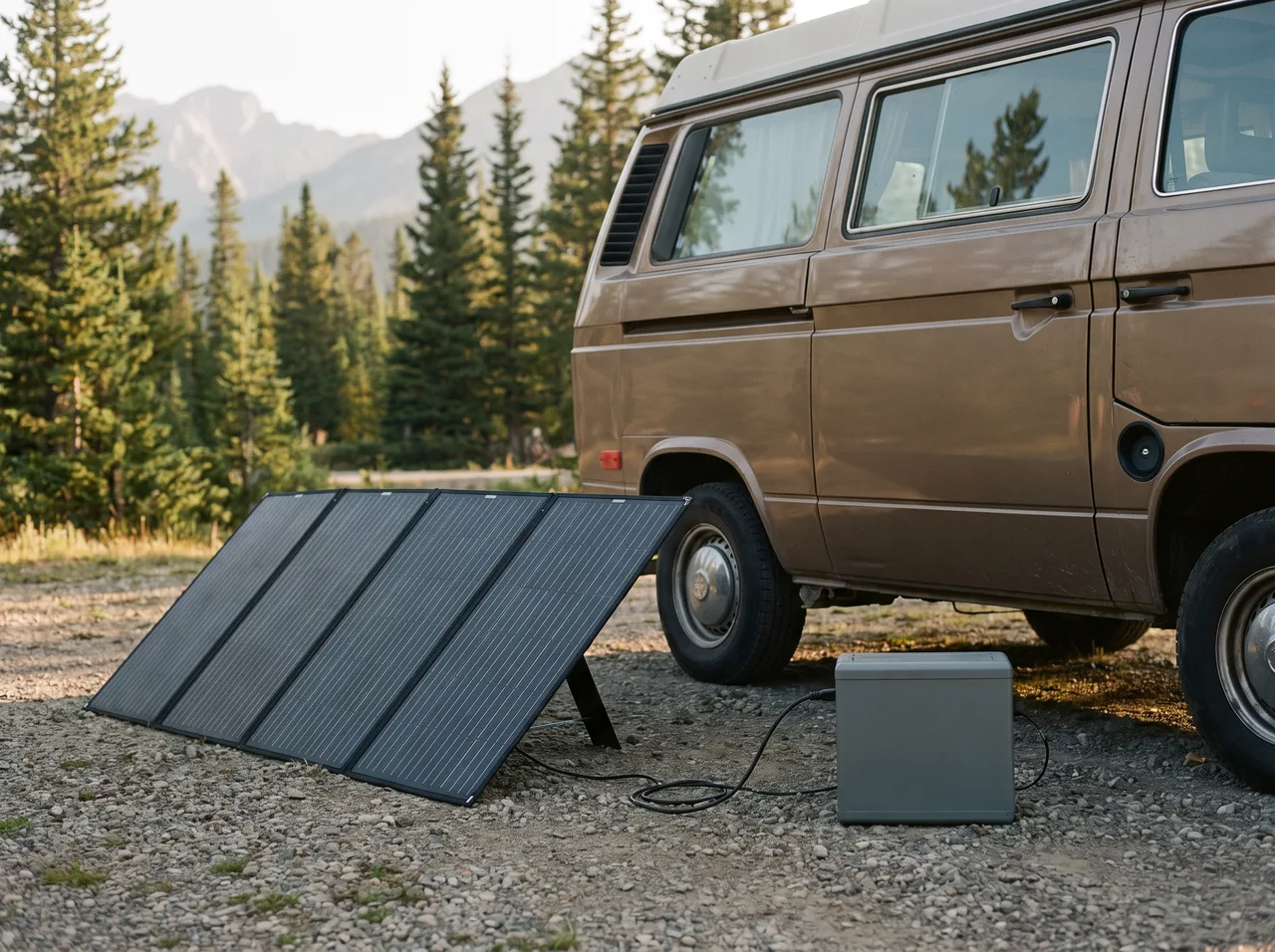
- You camp or travel in an RV. Silent power for the fridge, fans, lights and electronics, with no fumes, no quiet-hours conflict, and daytime solar refills. This is the use case the category was built for.
- You want outage backup for essentials. A mid-size unit keeps a fridge, phones, a router and medical devices like a CPAP running through a typical outage, and it does so from inside the house, which no gas generator can safely do.
- You work off-grid with tools or electronics. Job-site laptops, cameras, drones and battery chargers are exactly the loads a power station handles without hauling fuel.
- You hate maintenance. No oil, no carburetor, no stale-fuel problems, no pull cord. Charge it, store it, use it.
When it is not worth the money
- You need days of heavy sustained power. Running high-draw appliances around the clock through a long outage drains any battery; a gas generator's jerry can is still the cheaper way to buy that many watt hours.
- You expect whole-house backup at entry-level prices. Backing up central AC and an electric range takes expansion batteries and serious spend. Budget units back up essentials, not houses.
- You only ever charge a phone. A pocket power bank costs a fraction of the price and does that job.
- You will never recharge from the sun or grid between uses. A battery only helps if you can refill it; with no panel and no outlet access, fuel wins.
What they cost, honestly
Real store prices, not marketing ranges: a small 300W-class unit bundled with a 100W panel sells for $397 on sale against a $497 regular price, and a 3,300W-class system bundled with two 200W panels for $2,997, both on My Patriot Supply's store.
That second figure was $2,500 when we first checked in July, which is exactly why we date every price. Prices verified September 24, 2026, and they change with promotions, so treat them as the honest ballpark for "small" and "serious" rather than fixed numbers.
The pattern across the category: capacity is what you pay for, and doubling watt hours costs more than doubling price rarely does. That is why sizing before shopping matters.
The sizing math that decides everything
If you would rather not do this by hand, our what size solar generator do I need calculator runs the same arithmetic from your own appliance labels and shows how long each capacity we cover would last.
Whether a solar generator is worth it for you comes down to arithmetic anyone can do from appliance labels. Watts times hours equals watt hours: a device that draws 60W and runs 10 hours needs 600Wh.
Add up your real loads for a day, add a reserve margin for inverter losses and cloudy weather, and check the biggest single appliance against the inverter's continuous rating. If your daily total lands near a unit's usable capacity, it will feel effortless; if it is triple, no marketing will save you.
Check the label wattages on your own gear rather than trusting category averages, because a "fridge" can mean anything from a small 12V compressor to a full residential unit.
Common questions
Are solar generators worth it?
Often yes, when you need quiet, fuel-free power you can run indoors: RV trips, tent camping, home backup for essentials, and off-grid work. You pay more upfront than for a gas generator of similar output, but there is no fuel to buy, no fumes, and almost no maintenance.
They are not worth it if you need to run heavy appliances for days on end, where gas still wins on raw sustained output.
How would a solar generator benefit RV off-grid living?
It replaces engine idling, campground hookups and a noisy gas generator for the loads that matter off-grid: the 12V fridge, lights, fans, laptops, CPAP machines and phone charging. Because it is silent and fume-free, you can run it inside the rig overnight, and quiet hours at campsites stop being a problem.
Solar panels then refill it during the day, so a right-sized unit can loop indefinitely in sunny weather.
Do solar panels work during a power outage?
Portable solar panels feeding a battery power station keep working in any outage, because they are their own independent system. This is different from grid-tied rooftop solar, which shuts down in an outage for utility-worker safety unless it has its own battery and transfer switch.
That independence is a core reason portable solar generators are bought for emergency backup.
How long does a solar generator last?
The battery chemistry sets the lifespan. Most current mid-range and premium units use LiFePO4 cells, which manufacturers typically rate for thousands of charge cycles before capacity fades noticeably, versus roughly hundreds for the older NMC chemistry.
Check the rated cycle count on the spec sheet and treat it as the honest lifespan number, not the warranty length.
What size solar generator do I need?
Add up the watt draw of what you will actually run, then multiply by hours to get watt hours per day. The math is simple: a device that draws 60W for 10 hours needs 600Wh.
Your unit needs that much usable capacity plus reserve, and its inverter must cover the biggest single load you will switch on. Sizing by real appliance labels beats guessing by marketing category every time.