RV rental insurance, and why the platforms avoid that word
We may earn a commission if you buy or book through the links on this page. How we make money
What you buy at an RV rental checkout is usually not insurance, and the platform will tell you so if you read the document. RVezy describes its protection plans as contractual damage-responsibility agreements and states plainly that they are not insurance policies. You are agreeing terms with a marketplace about who owes what after damage, which is a different thing from holding a policy with an insurer.
The second thing to know is the order of payment. RVezy's third-party liability coverage is secondary, or excess: any personal auto or other applicable policy you carry applies first and must be exhausted before the platform's coverage does anything. Neither fact makes renting unsafe. Both change what you should ask before you book.
Who pays first, and in what order
Coverage on a peer-to-peer rental stacks in layers, and the layer people assume is on top is usually underneath.
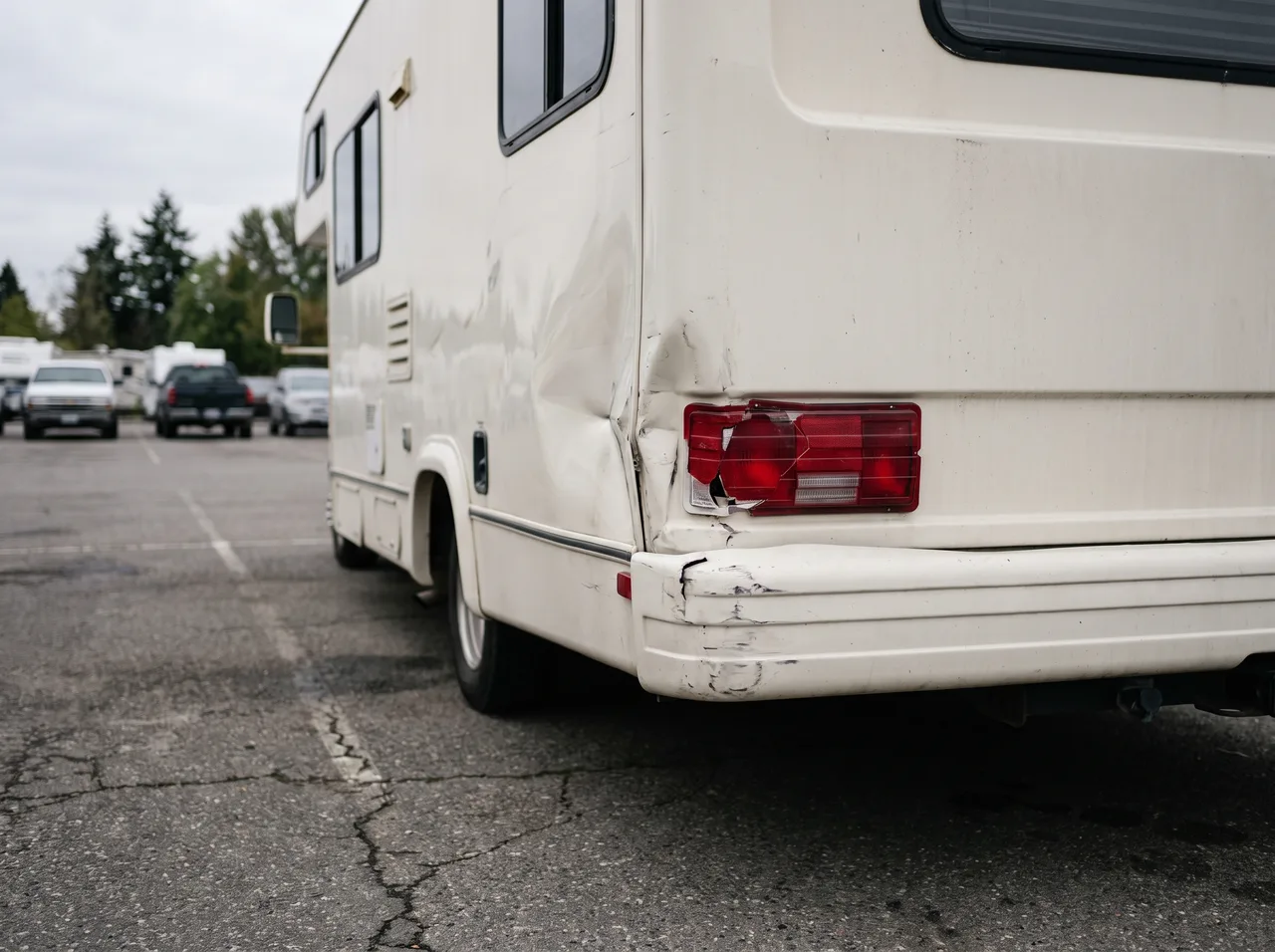
- Your own applicable policy. If you carry personal auto or other coverage that applies, it goes first on third-party liability, and it has to be used up before anything else responds.
- The platform protection plan. Then the tier you selected at checkout takes over, subject to its deductible and its exclusions.
- You. The deductible is yours in every scenario, and so is anything the tier excludes. On the cheapest tiers, that list is longer than most first-time renters expect.
That middle layer is where the tiers differ, and they differ on more than the deductible number. Roof, windshield and awning damage, which is exactly what inexperienced renters do to an RV under branches, gravel and wind, is treated very differently across plans. We publish the full tier-by-tier matrix, with what each one covers and what it does not, in our RVezy review.
What it costs, and why that is not the whole comparison
RVezy's own cost guide puts typical protection at roughly $20 to $40 per day. Across a week that is real money on top of the nightly rate and the platform service fee, which is why our RV rental cost guide treats it as part of the base price rather than an add-on.
Comparing tiers on the daily figure alone is the mistake. The cheaper tier is cheaper because it excludes more and carries a higher deductible, and the excluded items are not exotic. Work out what a single scraped roof would cost you under each tier before you decide you are saving money, because that arithmetic is what the tier is really selling.
Five questions to ask before you book
We are not insurance advisers and we cannot see your policy, so the useful thing we can give you is the list of questions. Ask your own insurer, and get the answers in writing.
- Does my policy extend to a rented motorhome, and to which classes? A Class A motorhome, a camper van and a towed trailer are not the same question.
- Does it extend to a towed trailer while it is hitched to my vehicle? Towing is where personal policies most often surprise people.
- If I claim, what happens to my premium? Because with secondary platform coverage, your policy may be the one that pays.
- What is excluded outright? Roof, awning and windshield damage are the common RV claims; confirm where they sit for you.
- Does anything I already hold duplicate the platform plan? If so, you may still be required to buy the platform tier, so ask what that leaves you actually paying for.
If you are listing your RV rather than renting one
The question flips. As an owner you are handing your vehicle to a stranger, and what matters is what the platform provides while it is out, what your own policy says about commercial or rental use, and what the deductible exposure is if it comes back damaged.
RVezy publishes protection on the owner side too, and every tier includes 24-hour roadside assistance dispatched through a third-party provider, Access Roadside. The owner economics, including the platform's own earnings claim and what we make of it, are in our RVezy review.
One thing worth confirming with your insurer before listing: many personal policies distinguish between personal use and rental or commercial use. That is a conversation to have before the first booking, not after.
The honest summary
Renting an RV through a marketplace is a reasonable way to travel and the protection on offer is real, but it is a contract rather than a policy, and it is second in line rather than first.
Budget the daily protection cost as part of the rental, pick the tier by what it excludes rather than by its price, and spend ten minutes with your own insurer before you book. That is the whole of it.
See RVezy protection tiers and availability
Still deciding what a trip costs in total? Our how much does it cost to rent an RV guide breaks down the full checkout stack, and the RVezy review covers the platform itself, tier by tier.
Common questions
Do I need insurance to rent an RV?
You need coverage, and on a peer-to-peer platform you normally buy it at checkout rather than bringing your own. RVezy, for example, requires you to select one of its protection plans as part of the booking, so the choice is which tier rather than whether. What that plan is, and what it leaves to your own policy, is the part worth understanding before you click.
Is an RV rental protection plan the same as insurance?
Not according to the platform itself. RVezy describes its protection plans as contractual damage-responsibility agreements and states plainly that they are not insurance policies. The practical difference is who owes what to whom: you are agreeing terms with the marketplace about damage responsibility, rather than holding a policy from an insurer. Read the plan document as a contract, because that is what it is.
Does my own car insurance cover a rented RV?
That is a question only your insurer can answer, and it is worth asking before you book rather than after something happens. Personal auto policies differ widely on whether they extend to a rented motorhome or a towed trailer, and on what size or class they will touch. Call your insurer, describe the exact vehicle class you are renting, and get the answer in writing.
What does secondary or excess liability coverage mean?
It means the platform pays second, not first. RVezy states its third-party liability coverage is secondary, so any personal auto or other applicable policy you carry applies first and has to be exhausted before the platform coverage steps in. For a renter with their own policy, that can mean making a claim on their own insurance, with their own premium consequences, before marketplace coverage pays anything.
How much does RV rental protection cost?
RVezy's own cost guide puts typical protection at roughly $20 to $40 per day, which is a meaningful share of a rental once you multiply it across a week. It is charged per day alongside the nightly rate and the service fee, so treat it as part of the real price rather than an optional extra, and compare tiers on what they exclude rather than on the daily figure alone.