How to winterize a camper: the order matters more than the products
We may earn a commission if you buy or book through the links on this page. How we make money
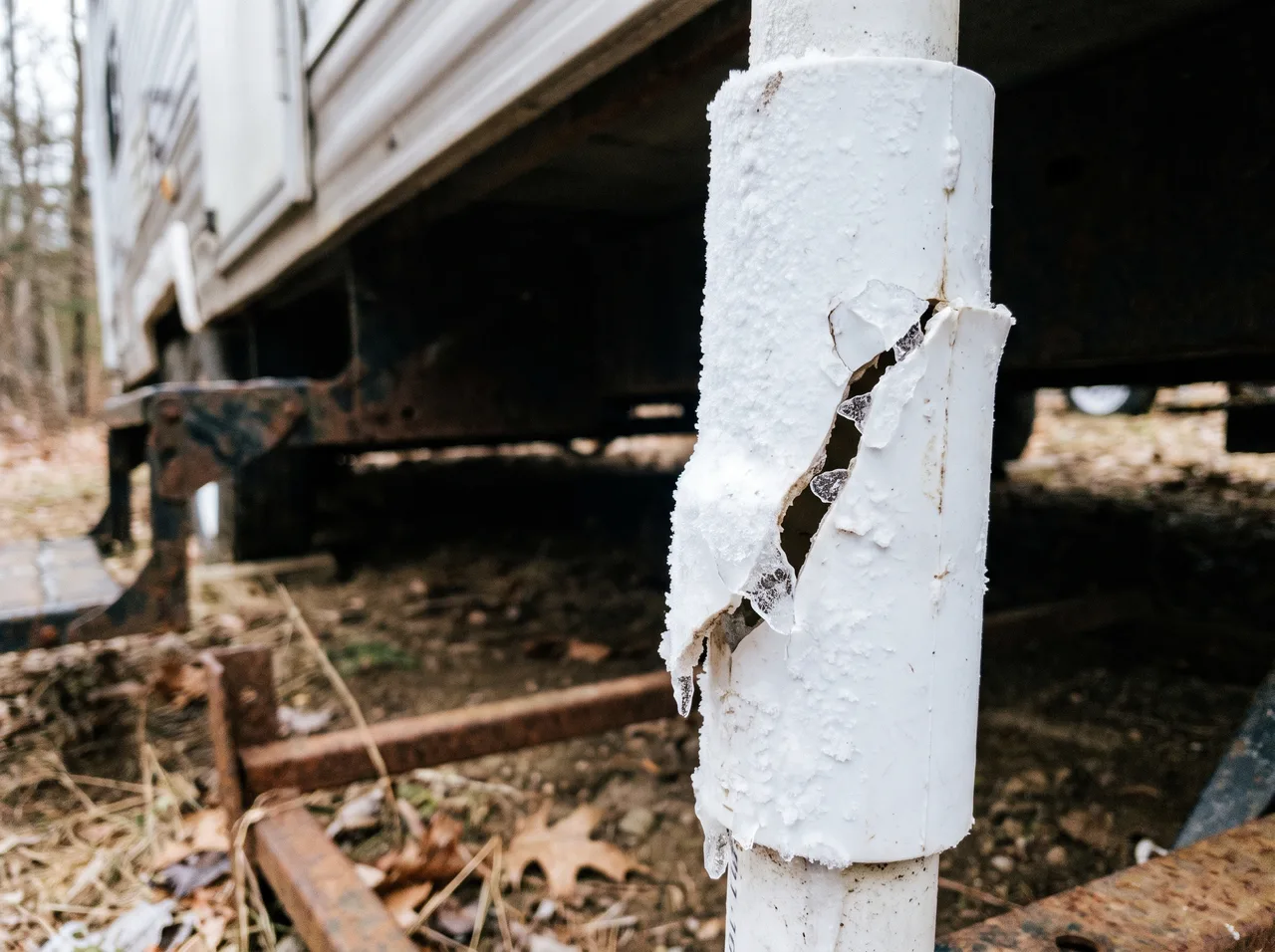
Short answer: get every drop of water out of the plumbing before it can freeze, then protect what you cannot reach. Jayco's published trigger is exposure to 32 degrees Fahrenheit or below.
There are two accepted methods and the manufacturers genuinely differ on which is primary: Airstream calls the compressed-air blow-out the typical process and pumping antifreeze an "optional, additional method", while Jayco walks owners through the antifreeze route in detail.
One rule has no exceptions and it is the only part of this job that can hurt someone rather than something. Everything below comes from Jayco's and Airstream's own published procedures, read on August 3, 2026, and named in the text. Your own manual still outranks both. Method: how we evaluate.
The one rule with no exceptions
Before any procedure, the safety point. Jayco states it flatly: "Automotive antifreeze (ethylene glycol) and windshield washer antifreeze (methanol) are poisonous. Never use these products in your fresh water system." Residual antifreeze stays in the plumbing and ends up in water people drink and brush their teeth with next season, which is why only non-toxic RV antifreeze made for potable systems belongs anywhere near it.
Airstream adds a filter worth using at the shelf: choose antifreeze "approved and listed by a recognized testing authority such as Underwriter Lab". If a jug does not say it is for potable water systems, it is not the right jug, whatever color it is.
Two methods, and why manufacturers disagree
Most articles present winterizing as one procedure. It is not, and the difference is worth knowing before you buy anything.
| Blow it out with air | Pump antifreeze through | |
|---|---|---|
| What it does | Forces the remaining water out of the lines, the water heater and any low spots | Fills the lines with non-toxic fluid that will not split them if it freezes |
| Who calls it primary | Airstream: "the typical process for winterizing begins with draining all plumbing lines and then using an air compressor" | Jayco publishes the antifreeze route as its plumbing winterizing procedure |
| What you need | An air compressor and the right adapter, at home or at a service station | RV antifreeze and usually the pump's siphon hose |
| Weak spot | Air can miss water trapped in traps and low areas if pressure or time is short | Antifreeze cannot reach anything you failed to open, and P-traps still need doing by hand |
Airstream describes antifreeze as "an optional, additional method" layered on top of the air blow-out, which is the most useful framing on this page: the two are not rivals, and plenty of owners in genuinely cold storage do both. Jayco specifies roughly five to ten minutes of air when blowing lines. Follow whichever your own manufacturer publishes, because valve layouts differ between coaches.
The sequence both methods share
- Empty the holding tanks. Jayco's instruction is to make sure all holding tanks are empty and the drain valves are open.
- Open everything and let it drain. Airstream says to open all drain valves including the drain plug or valve on the water heater and the exterior water service valve. Gravity does most of the work if the rig is level.
- Isolate the water heater. Covered in its own section below, because it is where most of the damage happens.
- Close the low point drains again. This is the step that catches people, and Jayco is explicit that the fresh tank drain and low point drains must be closed for the antifreeze to siphon through the lines.
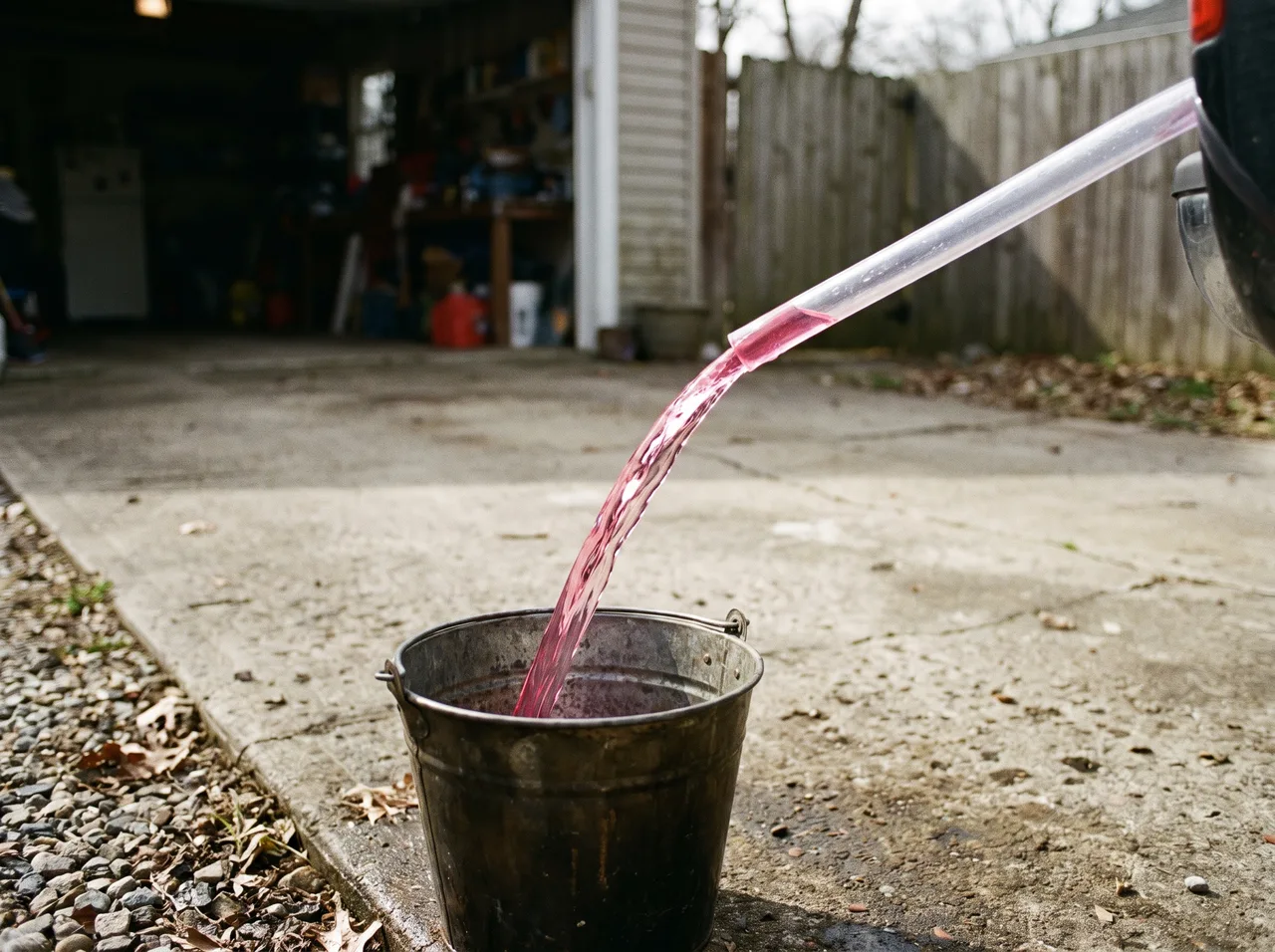
- Clear or fill the lines. Either blow them through with compressed air, which Jayco puts at about five to ten minutes, or run the pump with the siphon hose in the antifreeze jug and open each hot and cold tap in turn until pink fluid appears, then close it.
- Do the traps by hand. No method reaches them. See below.
The water heater, where it usually goes wrong
Two separate jobs get confused here. Draining empties the tank: Airstream lists the water heater's own drain plug or valve among the drains to open, and notes that running an air compressor afterwards will force any remaining water out of the heater and out of low areas the drain cannot reach.
Bypassing is different, and it is what stops you pumping several gallons of antifreeze into a tank that does not need any: Jayco's instruction is to turn the water heater bypass valves to the BYPASS position, and on its motorized products to move the valves to the "Sanitize/Winterize Lines" position.
Which tank you are draining also decides what else you owe it during the year, and the answer is opposite between the two common designs: our guide to the RV water heater covers the anode rod that one tank must have and the other must never be given.
Do them in that order, drain then bypass, and check your own manual for where the valves sit, because the layout differs between coaches. Skipping the bypass is not dangerous, it is simply expensive in antifreeze and slow to flush out in spring.
The drains people forget
Neither air nor pumped antifreeze reaches a P-trap, because the trap's whole purpose is to hold a plug of water against sewer gas.
Both manufacturers therefore give the same manual step, and it is the last thing you do: Jayco says to pour one cup of non-toxic RV antifreeze into all drain P-traps, and Airstream says to pour a cup into the lavatory, sink and tub drains to prevent trap freeze-up. Do not forget the shower and any outside kitchen or wet bay.
We are not going to print a total antifreeze quantity for the whole rig, because it depends entirely on the length of your plumbing runs and whether you bypassed the heater. Buy more than you think and return the spare.
Beyond the plumbing
Airstream makes the point that proper winterization for long-term storage is broader than freeze protection: it also means removing batteries and cleaning out cupboards and any leftover food to deter pests. The battery half of that deserves more attention than it usually gets.
A lead acid battery left sitting partly charged through a winter is the textbook way to destroy one. Victron's own documentation names this exact scenario, describing premature failure from sulfation when a battery is left partially charged, and gives "yacht or mobile home during wintertime" as its example.
Which chemistry you have changes what storage demands: the details are in what is an AGM battery and LiFePO4 explained, where lithium's very different tolerance for sitting part-charged is covered. If your rig also carries a portable power station, the same storage logic applies to it, and our solar generator verdicts cover those units.
A thought if it is going to sit anyway
Winterizing exists because the rig stops being used for months. If that idle stretch is the part that bothers you rather than the work itself, some owners put the shoulder season to work instead: our guide to how to rent out your RV covers what that actually involves, including the checks that come before the listing form and when the platform pays out.
It is not for everyone, and the honest case against it is in that guide too. If you are on the renting side instead, the RV rental cost guide is the place to start, and how to tow a trailer safely covers the part first-timers worry about most.
See what an idle RV could earn
Common questions
How do you winterize a camper?
Empty and drain everything, isolate the water heater, then either blow the remaining water out with compressed air or pump non-toxic RV antifreeze through the lines until it runs pink from every tap.
Jayco tells owners to winterize when the RV will be exposed to temperatures at or below 32 degrees Fahrenheit. Airstream treats the air blow-out as the typical process and describes pumping antifreeze as an optional additional method, so check your own manual before choosing.
What antifreeze do you use in a camper?
Only non-toxic RV antifreeze made for potable water systems. Jayco states the rule without qualification: automotive antifreeze, which is ethylene glycol, and windshield washer antifreeze, which is methanol, are poisonous, and you must never use these products in your fresh water system. Airstream adds a useful filter, specifying antifreeze approved and listed by a recognized testing authority such as Underwriters Laboratories.
At what temperature should you winterize an RV?
Jayco’s published trigger is any exposure to temperatures at or below 32 degrees Fahrenheit, which is 0 Celsius. That is the point rather than a hard date on the calendar, because a single unexpected cold night can split a line. Airstream frames the risk the same way, noting that water left in the plumbing can freeze and potentially damage pipes, valves and sensitive mechanical equipment.
Do the low point drains stay open or closed?
It changes during the job, which is where people get caught out. They are open while you are draining the system, and Jayco is explicit that the fresh tank drain and low point drains must then be closed for the antifreeze to siphon through the lines. Leaving them open at the antifreeze stage simply pumps antifreeze onto your driveway.
What else besides plumbing needs doing before storage?
Airstream notes that proper winterization for long-term storage also means removing batteries and cleaning out cupboards and leftover food to deter pests. The battery point matters more than it sounds: a lead acid battery left partly charged over winter is the classic way to kill one, which is why storage state of charge belongs in the same weekend as the plumbing.